Glass reinforced plastic
GRP for shapes that have to be light, strong and repeatable.
GRP is used where a form has to be lightweight, dimensionally stable and repeatable, and where the fixing back to structure matters as much as the shape itself. It carries external exposure that gypsum cannot, and it can be moulded into geometry that would be uneconomic in stone or metal.
We take GRP packages from pattern and mould through lay-up, finishing, gel coat or applied finish, transport and installation, including the support and fixing design.

Scope
What the package covers.
Typical applications
- Lightweight cladding and feature panels
- Canopies, soffits and entrance elements
- Column casings and curved forms
- Themed and sculptural elements
- Planters, benches and external furniture forms
- Replicated elements repeated across a scheme
Design inputs required
- Geometry, ideally as a 3D model
- Exposure conditions and orientation
- Finish requirement, colour reference and gloss level
- Support structure and available fixing points
- Access strategy for installation and future maintenance
- Fire requirements applying to the element and its position
Interfaces we resolve
- Backing steel and bracketry
- Movement, thermal expansion and joint width
- Drainage and water shedding at horizontal surfaces
- Junctions with glazing, cladding and soffits
- Lighting and service penetrations through the form
- Site tolerance against factory tolerance
Sequence
How the work runs.
- 01
Survey and setting-out
Confirm the structure the element will fix to and the real dimensions available.
- 02
Shop drawings and engineering
Panelisation, laminate build, fixing design and support co-ordination.
- 03
Material development
Laminate specification, reinforcement and finish system selected for the exposure.
- 04
Samples and prototypes
Finish samples, and a prototype section where the geometry or fixing is unproven.
- 05
Moulds and production
Pattern, tooling, lay-up, de-mould, trim and finish.
- 06
Factory quality control
Dimensional and finish inspection against the approved sample before packing.
- 07
Logistics
Protected crating and delivery sequenced against the installation zones.
- 08
Installation and handover
Setting-out, fixing, jointing, sealing, inspection and record information.
Control
Where the risk actually sits.
The pattern decides the package
Everything downstream is set by the master pattern. We resolve geometry, joint lines and fixing positions at pattern stage, because changing them after tooling is expensive on any programme.
Finish agreed against a sample, not a name
Colour and gloss are approved on a physical sample under the lighting the element will sit in, then that sample governs production.
Fixings engineered with the element
We design the bracketry and the tolerance take-up with the moulding, so installation is adjustment rather than adaptation.
Before pricing
What we need to see.
Send what exists today. We will tell you what is still required rather than price around the gaps.
- 3D geometry or fully dimensioned drawings
- Internal or external position and exposure
- Finish, colour and gloss requirement
- Structure available for fixing
- Quantity and repetition across the scheme
- Programme for approval, manufacture and installation
Evidence
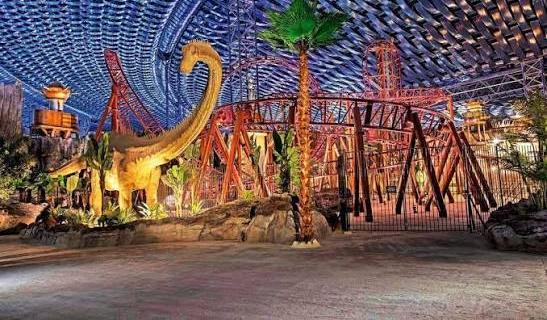
Projects from the register.


Questions
What clients ask about this scope.
Related
Where to go next.
Send your specification
Send the drawings and the specification.
Send the package drawings, the specification and the programme date. We will confirm what is buildable as drawn, what needs development and what we would need to see before pricing.